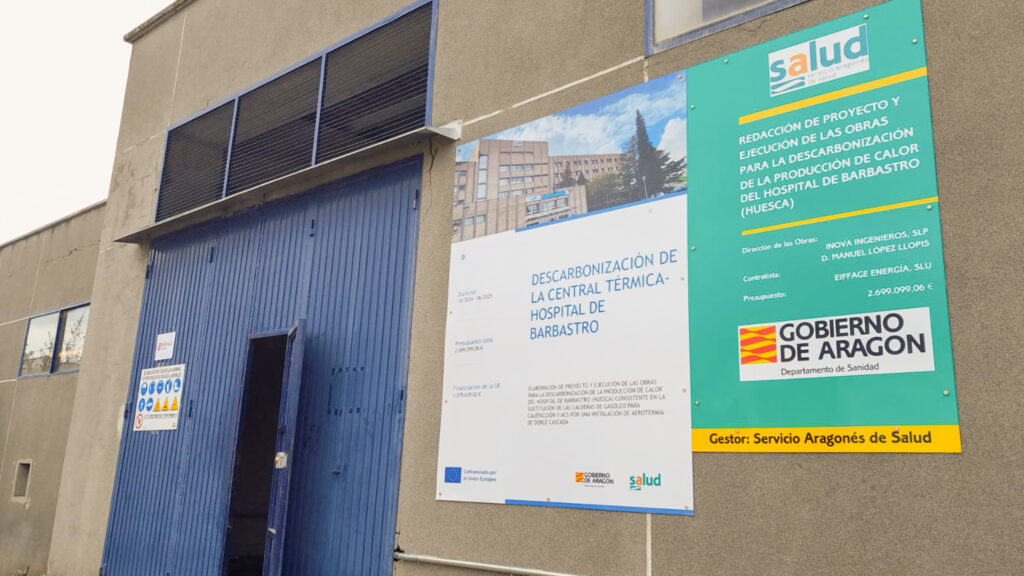



The Eiffage Energía Sistemas Group has completed the decarbonisation of the thermal heating and cooling production systems at Barbastro Hospital in Huesca.
This high-impact intervention falls under the Hospital Production Reform line and is co-financed through ERDF funds provided by the Aragon Health Service.
In addition, the project has been selected as a finalist in the 3rd iClima Recognition Awards—promoted by El Instalador magazine and the Association of Air-Conditioning Equipment Manufacturers (AFEC)—in the Critical Infrastructure category. This distinction highlights excellence, innovation, and best practices within the climate control sector.
A project committed to sustainability
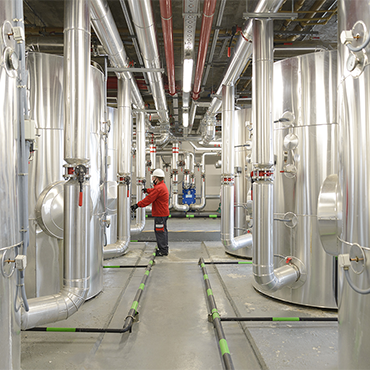
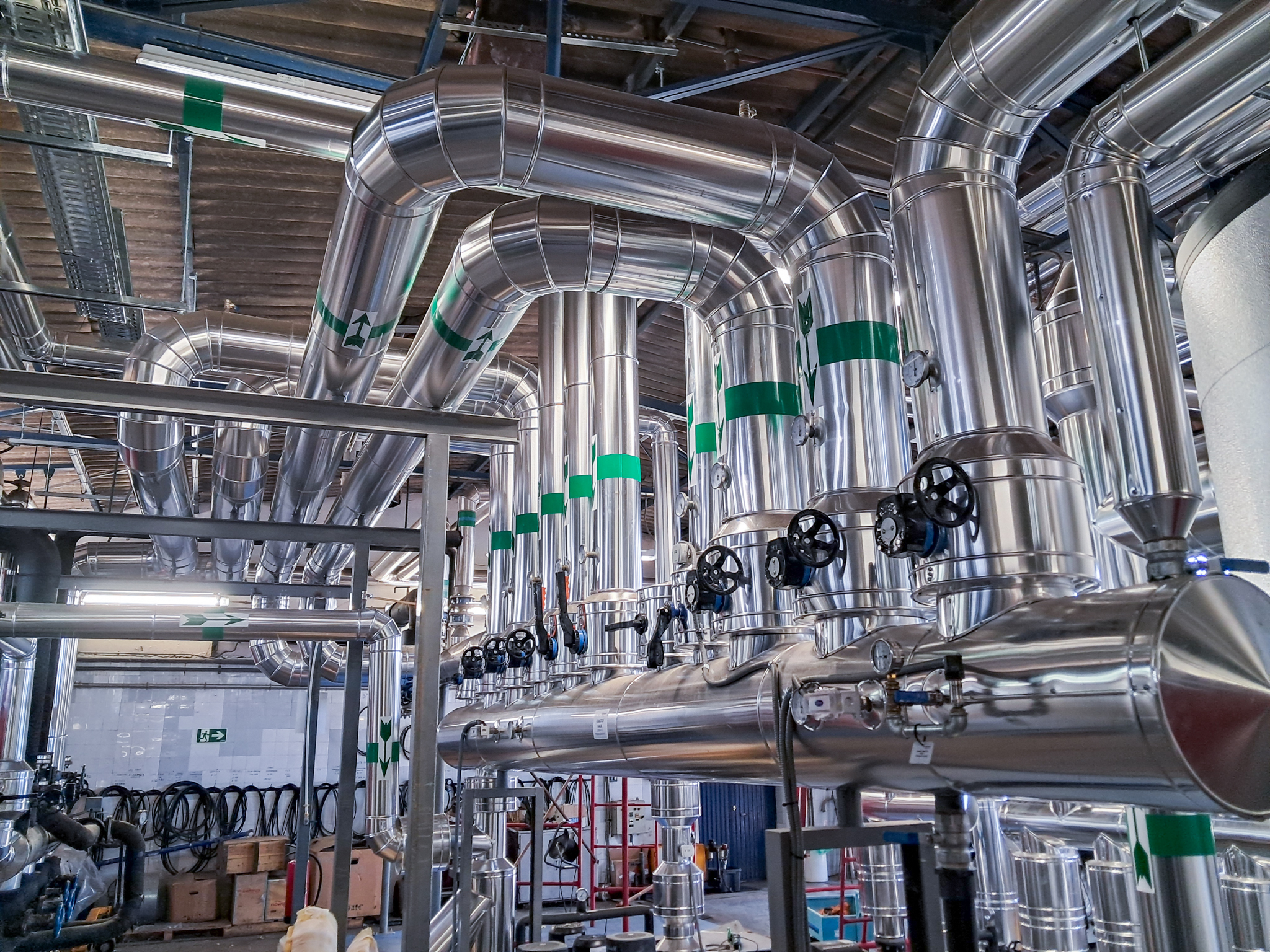
The works consisted of the replacement and complete overhaul of the cooling, heating, and domestic hot water (DHW) systems, achieving 100% decarbonisation through aerothermal technology in a Boxter configuration.
As part of this intervention, the existing fuel oil tanks were completely removed, replaced by a clean, efficient energy solution aligned with European ecological transition targets.
Technical solutions
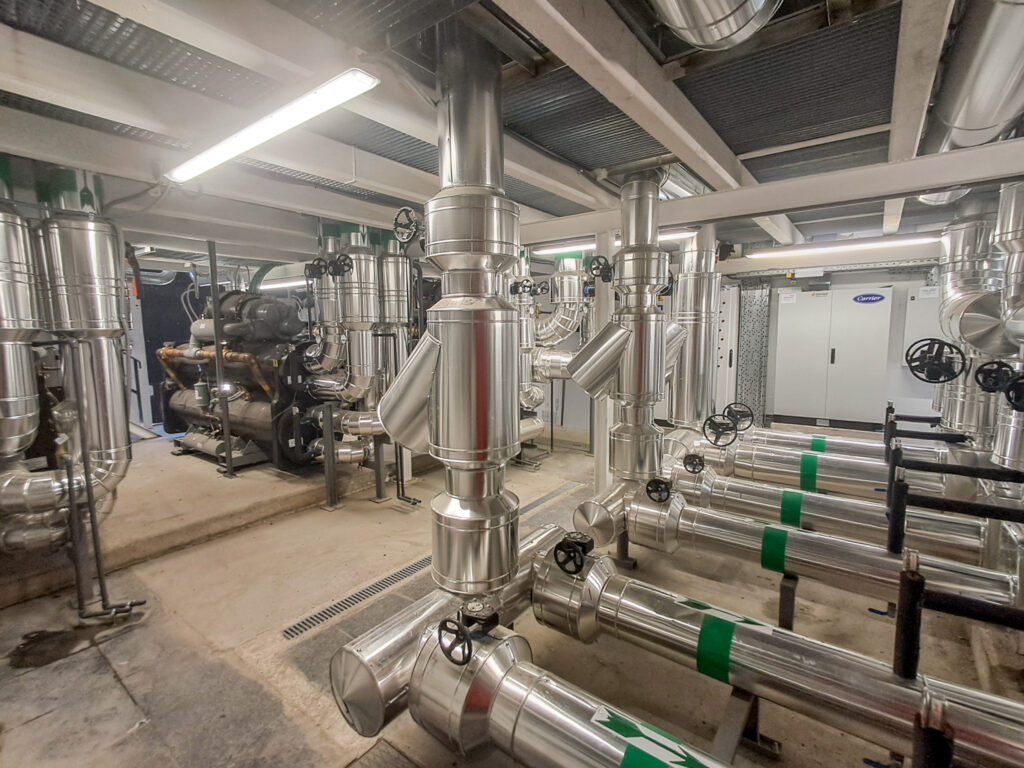
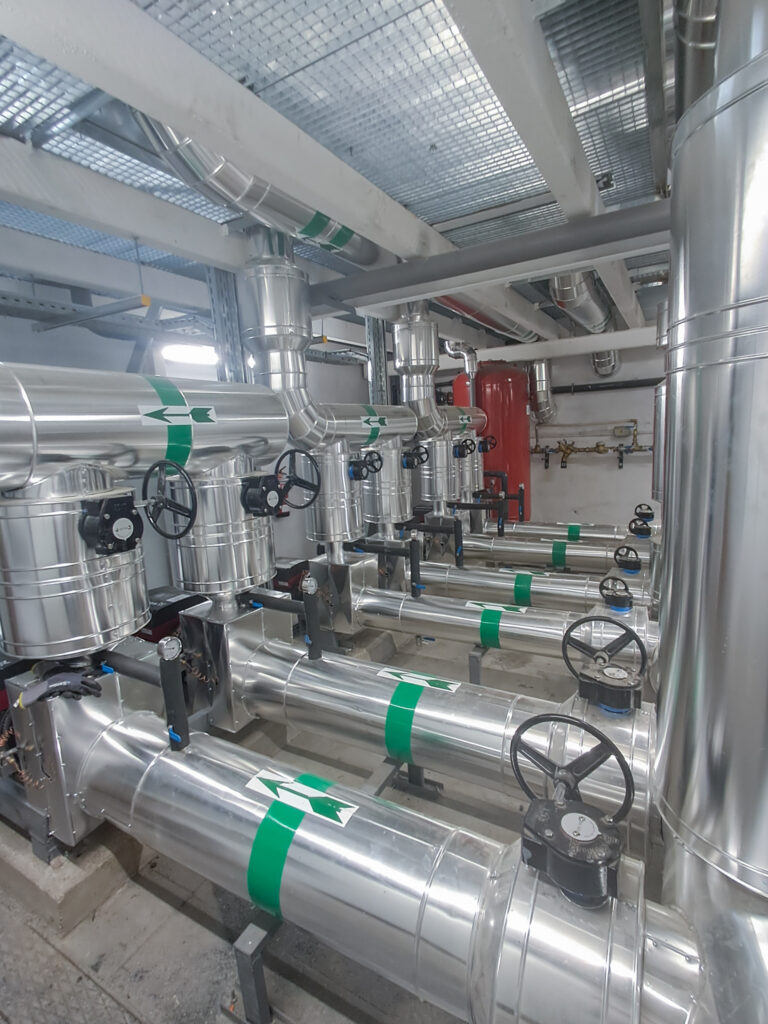
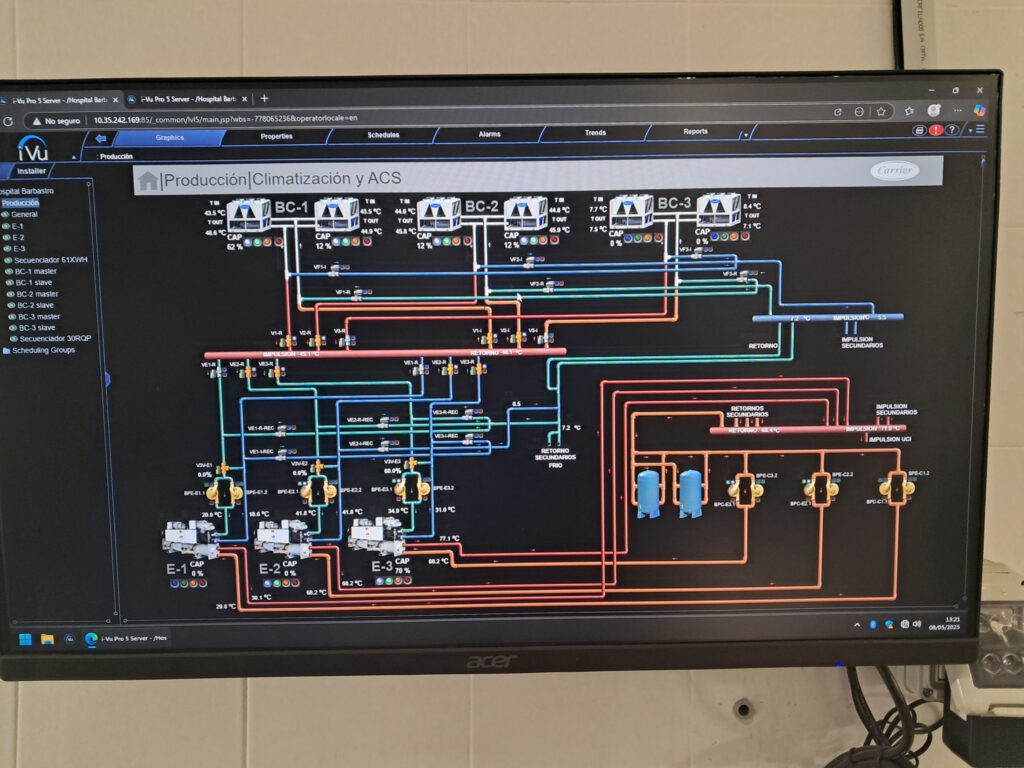
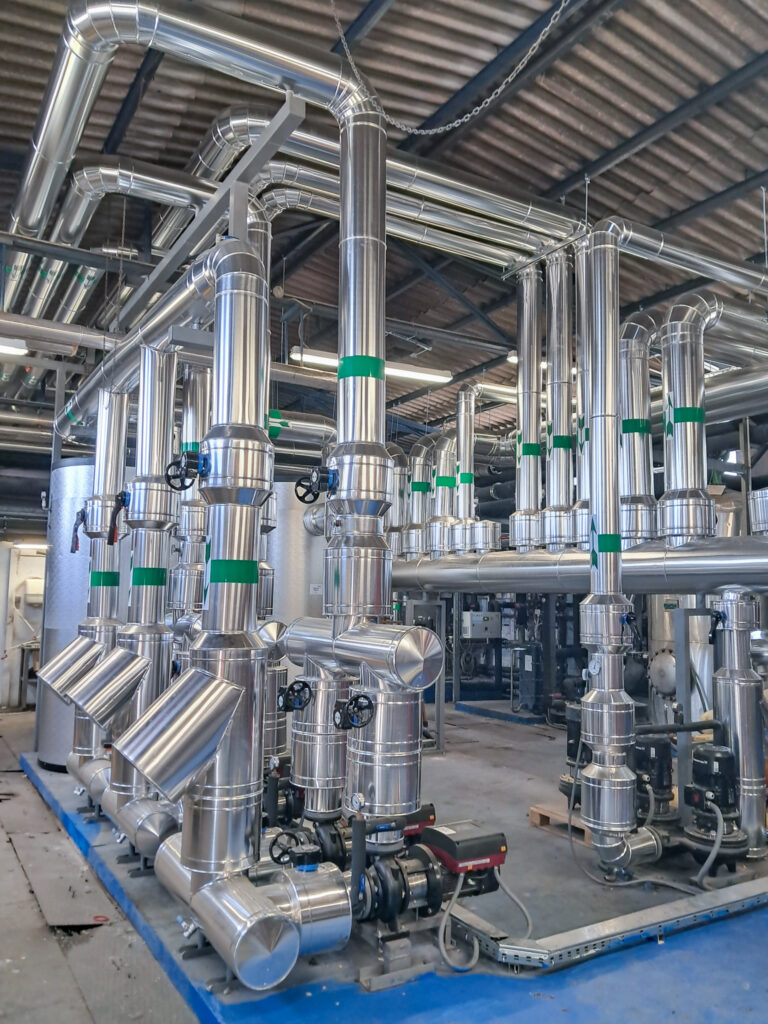
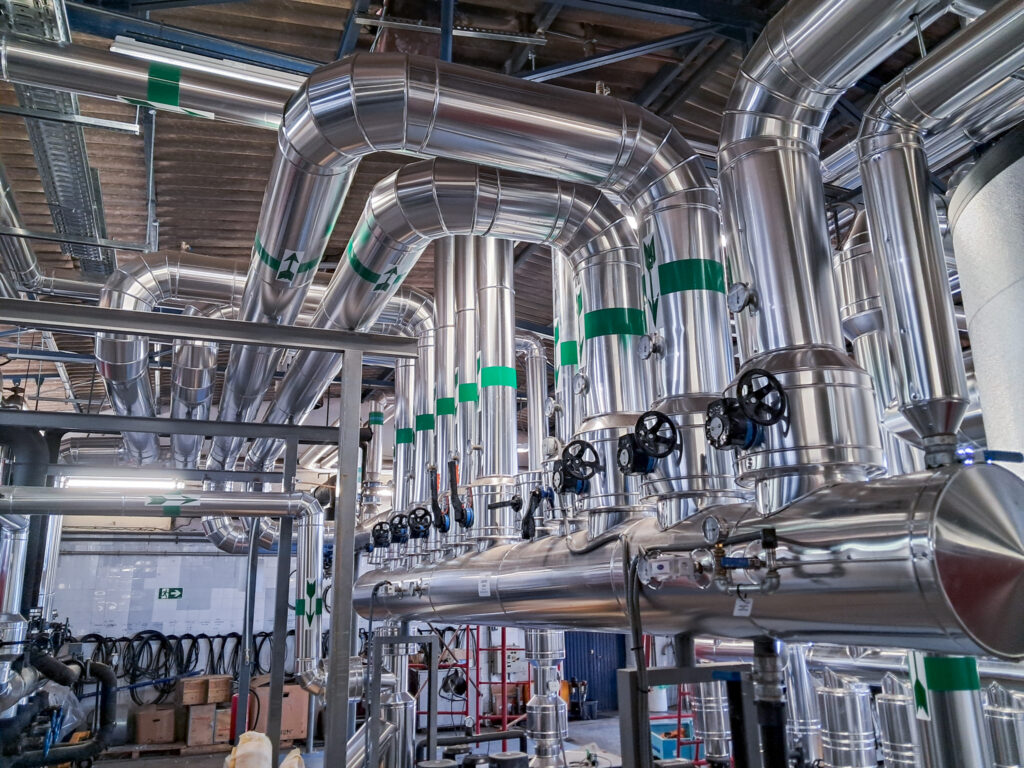
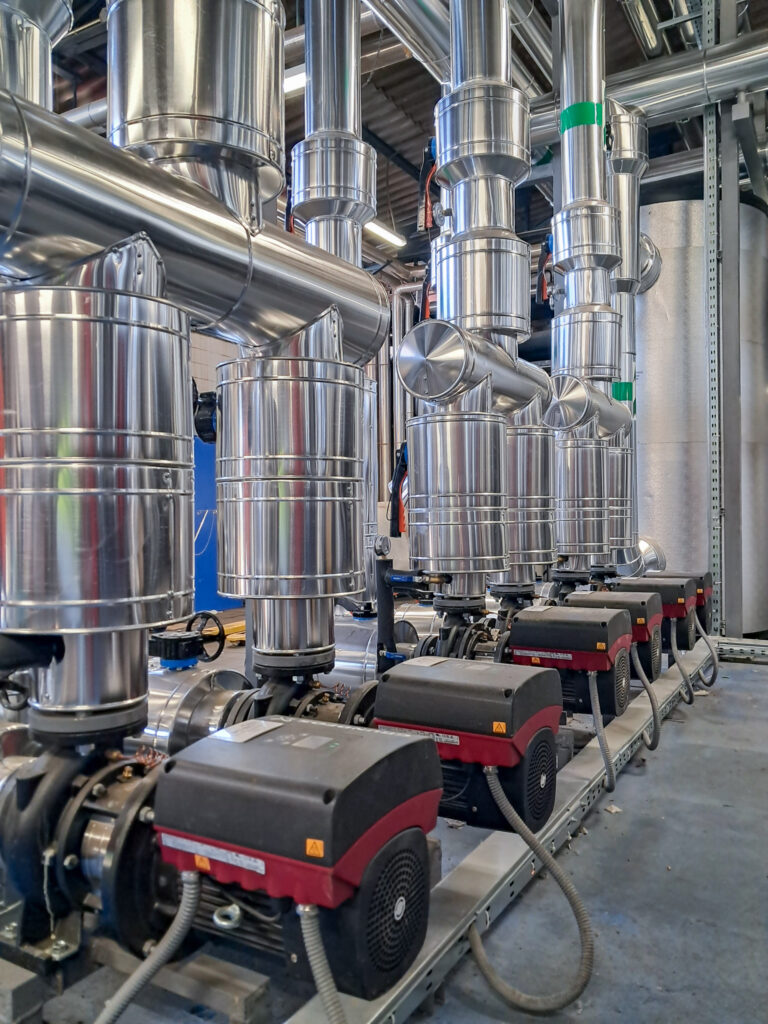
The new system features a total thermal capacity of 4,200 kW for cooling the entire hospital. To achieve this, six air-to-water heat pump units of 700 kW each have been installed; for heating and domestic hot water, the system provides an additional 2,800 kW of capacity through three high-temperature water-to-water heat pump units.
To produce thermal energy for heating and DHW, a Boxter dual-cascade system has been commissioned, combining the two types of installed equipment:
- Six air-to-water heat pump units that extract heat from the outdoor air to heat water to a low temperature of around 35°C.
- Three high-temperature water-to-water units that, using the water heated by the air-to-water equipment, further elevate the water temperature up to 75°C, thereby ensuring optimal performance for heating and DHW production under any winter climate conditions.
The production system also incorporates a hydraulic circuit for additional energy recovery in summer, utilizing surplus energy from the return flow of the hospital’s cooling circuits as a heat source for DHW production. In this way, operating hours in heating mode for the air-to-water units are avoided during the summer season, allowing them to be dedicated exclusively to cooling production and improving the overall efficiency of the thermal production system.
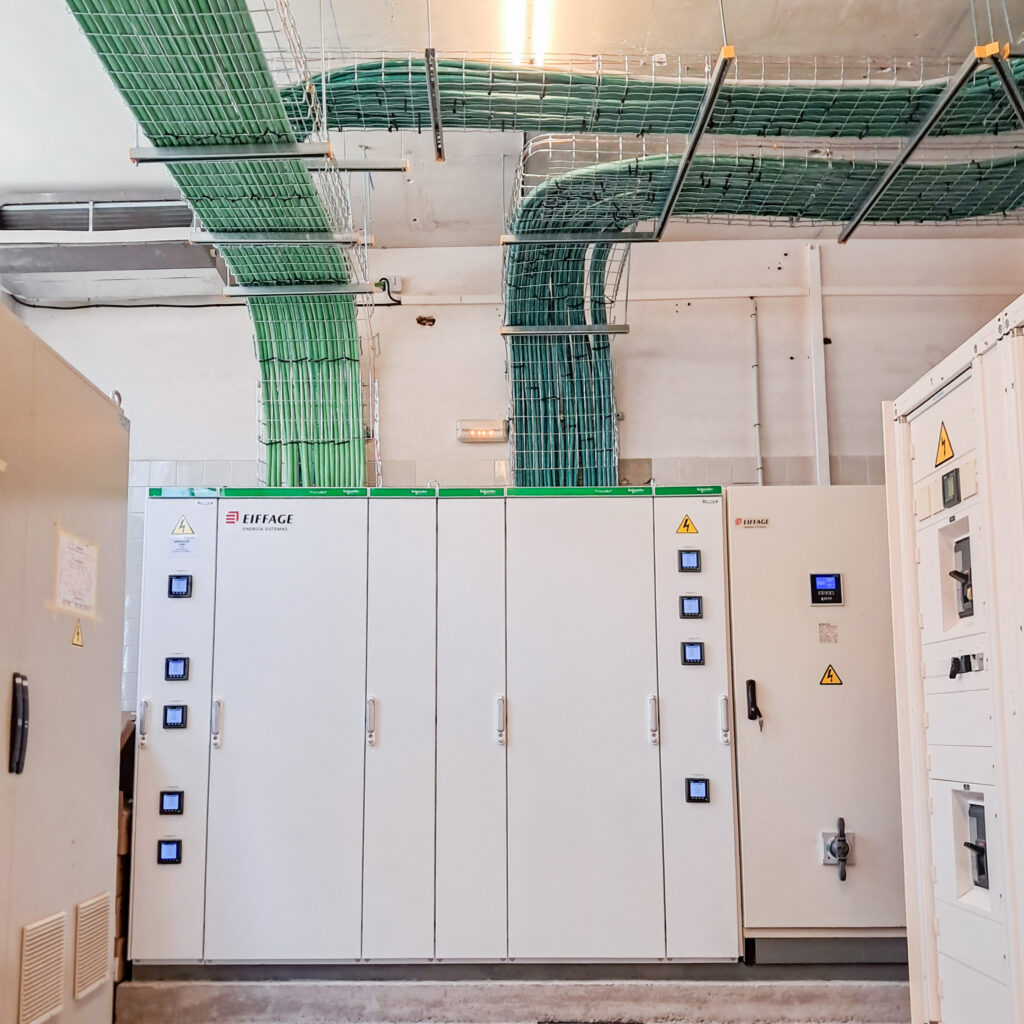
The scope of work also encompassed the commissioning and control of all new equipment, electrical and fire protection installations, system integration, necessary civil works, base preparation and dismantling for outdoor equipment plinths, the removal and decommissioning of the old boilers, and the inerting of the former fuel oil tanks.