

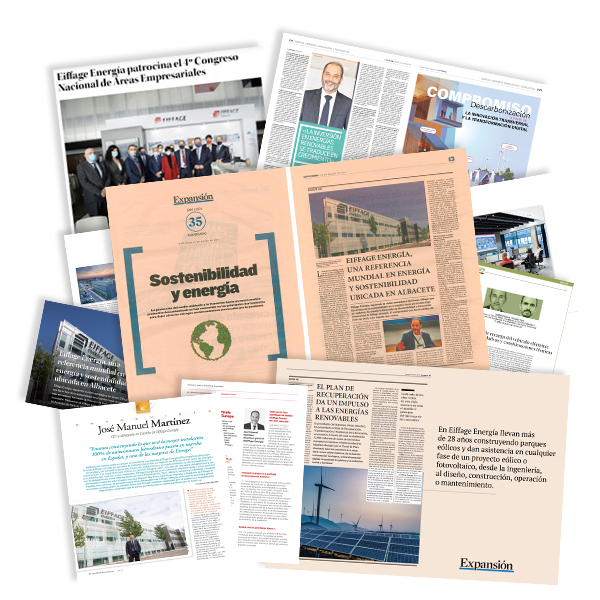
In the March 2026 issue of the Energética XXI magazine, Matías Gotor Scasso, Director of Business Development at the Eiffage Energía Sistemas Group, analyses the evolution of industrial self-consumption towards more hybrid, manageable and flexible energy models, driven by the integration of energy storage and advanced management systems.
The article addresses some of the trends that are redefining the design of energy systems in industry. These include the impact of high renewable penetration in the electricity system, the increasing volatility of energy prices and the progressive electrification of industrial processes.
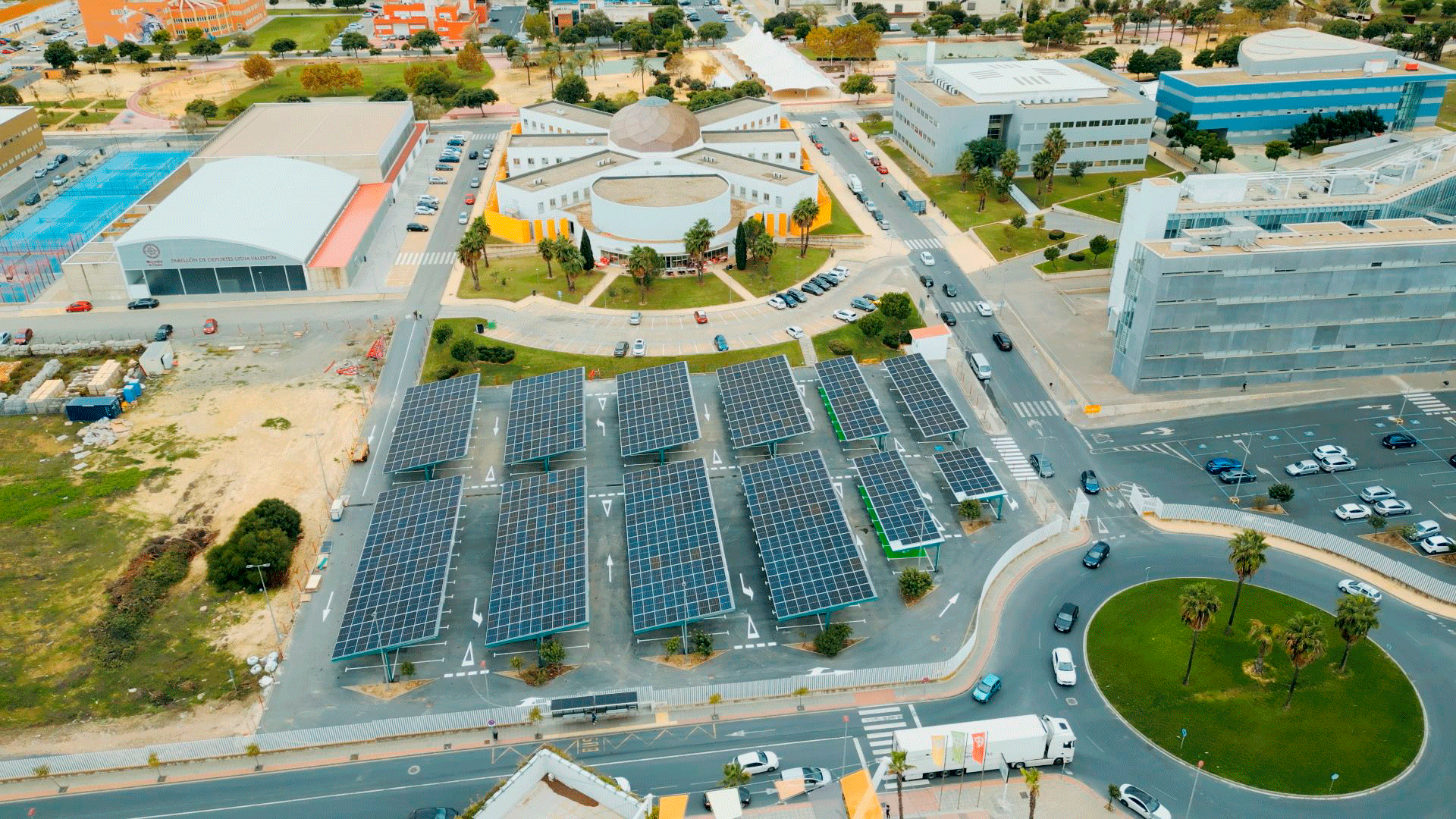
In recent years, industrial self-consumption has experienced significant growth, driven by the deployment of photovoltaic installations aimed at reducing energy costs. This model, based on the alignment of solar generation with daytime consumption, has proven to be technically and economically viable for numerous manufacturing sectors.
However, the current energy landscape is marking a turning point. As outlined in the report, systems based exclusively on photovoltaic generation are beginning to reveal limitations stemming from the inflexibility of solar production in the face of increasingly variable industrial consumption patterns.
The role of energy storage
The article also analyses the role played by energy storage in this new phase of industrial self-consumption.
The integration of batteries allows generation and consumption to be decoupled, shifting energy over time and optimising demand curves. In addition to enabling load shifting (an energy management strategy that involves shifting demand from peak to off-peak hours), storage enables new operational strategies that improve energy efficiency in industry:
- Reduction of demand peaks through peak shaving strategies.
- Increase in the effective self-consumption ratio.
- Reduction of energy fed into the grid during periods of low internal demand.
- Greater predictability and control of energy expenditure.
The article also emphasises that rigorous technical analysis, based on real consumption data and the simulation of different energy scenarios is required for the integration of batteries.
Towards smarter energy systems
Another key aspect is the integration of advanced energy management systems (EMS).
The integration of storage with energy management platforms makes it possible to anticipate consumption patterns, incorporate weather forecasts and automatically optimise battery charging and discharging strategies based on demand and price signals.
Thus, industrial self-consumption is evolving from stand-alone solar installations towards hybrid, digital and integrated energy systems, capable of adapting to an increasingly dynamic electricity system.
A strategic long-term approach to industrial self-consumption
The report also highlights the importance of designing industrial self-consumption projects with a long-term vision. Given that the lifespan of a photovoltaic installation can exceed 20 years, the incorporation of criteria for hybridisation, scalability and digitalisation from the outset is key to maximising the value of the investment.
At the Eiffage Energía Sistemas Group, these types of projects are approached from a comprehensive perspective that combines specialised engineering, advanced energy modelling and EPC execution, supporting industry in its transition towards more efficient, resilient and future-proof energy systems.